
Axle Plug Instructions
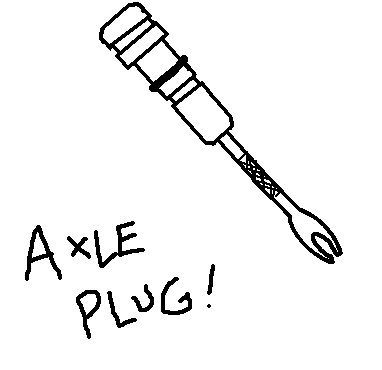
Axle Plug is our lightweight flat repair system designed to stow in the hollow portion of your 15mm Robert Axle Project Lightning Bolt On Axle. This gives riders a fast, simple solution for trailside flat repair - no more digging in your pack for a plug kit that might not even be there!
If your bike does not already use our Lightning Bolt On Axle to secure your front wheel, you can use our handy Axle Finder to determine which Lightning Bolt On Axle will work with your fork.
Step 1: Is Axle Plug Compatible?
Your Lightning Bolt On Axle must be 15mm in diameter and install in the fork of your bike in such a manner that the hollow portion of the axle is accessible when the axle is installed - otherwise, Axle Plug will not fit on your bike. If your front thru-axle is 15mm in diameter with the hollow part of the axle unobstructed when installed, we can move on to step 2.
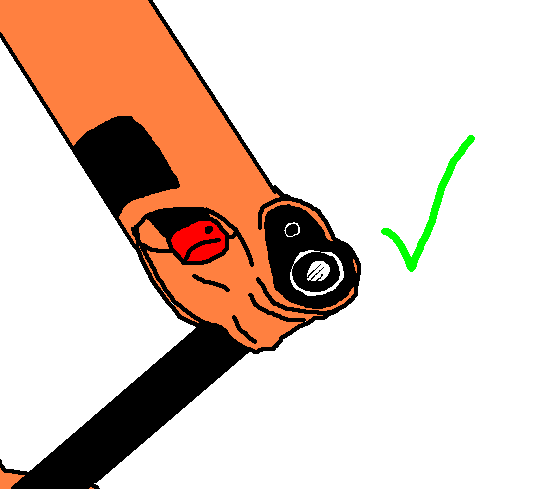
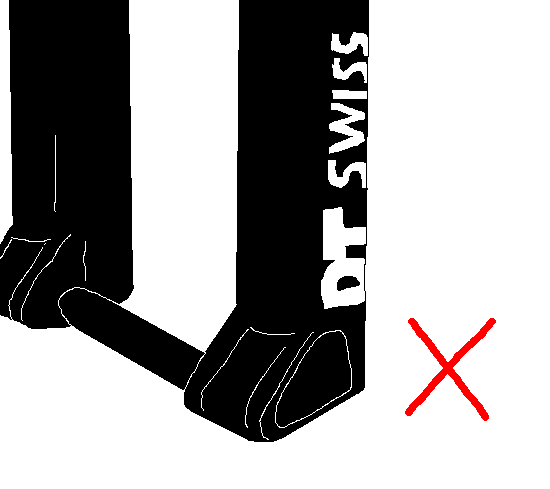
Step 2: Setting Up Axle Plug
Your Axle Plug will need some setup before it can be installed in your thru-axle - specifically, we need to install the O-ring that will hold Axle Plug in place and thread a tire plug into the Axle Plug fork.
If your thru-axle uses M14 thread, place the O-ring in the slot closest to the head of the Axle Plug. If your thru-axle uses M15 thread, place the O-ring in the slot closest to the fork of the Axle Plug. You can remove your thru-axle to check the thread dimensions - we etch the thread diameter on the shaft of all of our thru-axles.
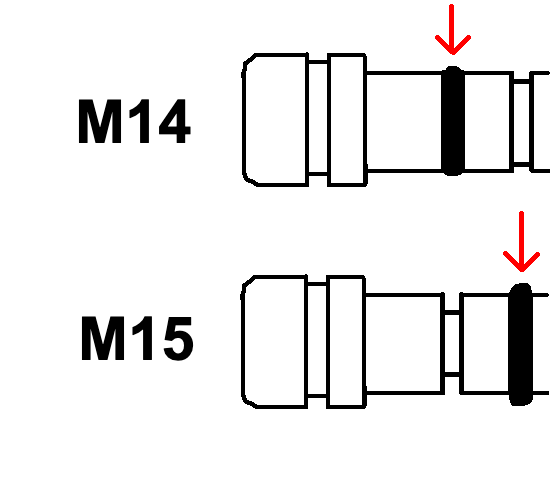
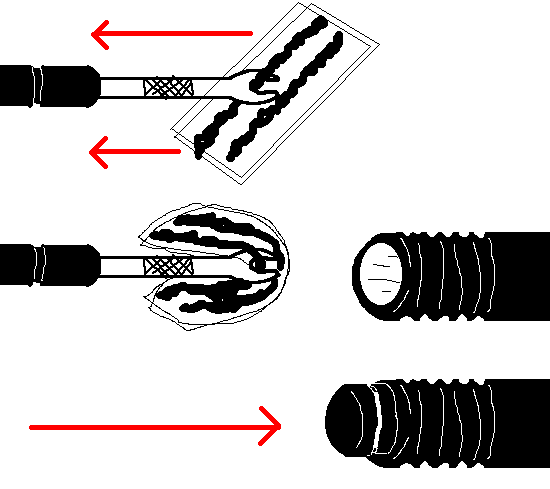
Once you have the O-ring in the proper position, it’s time to thread a tire plug strip onto the fork on your Axle Plug. Take the sheet of strips that we include with Axle Plug and cut off two strips, making sure to leave the plastic sheets on the strips - this will keep them from adhering to the inside of your thru-axle. Press the fork of Axle Plug over one of the strips, between the plastic sheets.
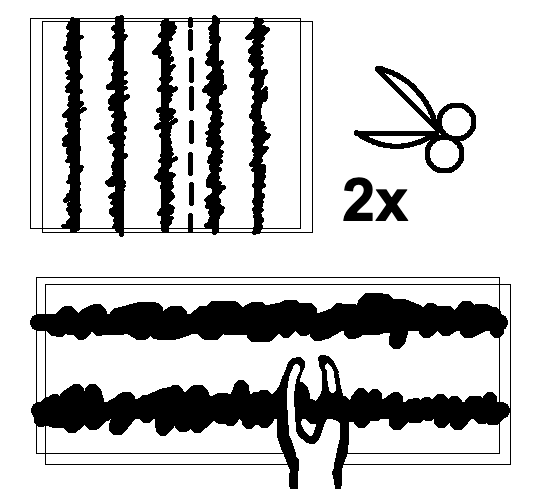
Crease the strips down over the shaft of the fork so that the plug can slide into the hollow portion of the thru-axle, and press your Axle Plug fork-end first into the thru-axle. The Axle Plug should bottom out in the axle with a snug fit.
Step 3: Repairing A Flat
It finally happened, you got a flat. Thankfully, you’ve got your Axle Plug properly installed and ready to go! To use Axle Plug, simply pull it out of your thru-axle. Remove the strips from the fork of Axle Plug and set them aside.
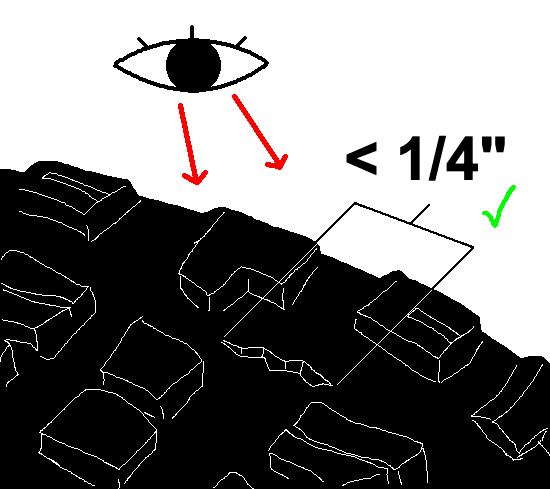
Locate the puncture on your tire. If the puncture is less than 1/4” in diameter, then Axle Plug is a viable repair option. Press the fork of Axle Plug into the puncture site and move the fork around, using the knurled section of the fork to rough up the edges of the puncture.
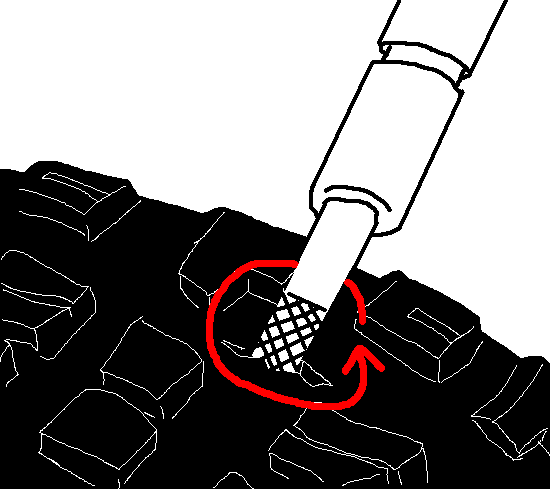
Pull Axle Plug out of the tire and load the fork with one of your tire plug strips, being sure to remove it from the plastic sheets. Make sure that the fork is in the middle of the strip. Press the fork of Axle Plug into the puncture, and drive the strip in until about 1/4” of the ends of the strip are still showing. Work Axle Plug around to ensure adhesion with your tire, and place your fingers over the bits of strip sticking out. Pull Axle Plug out of the tire, using your other hand to make sure the strip stays in the tire.
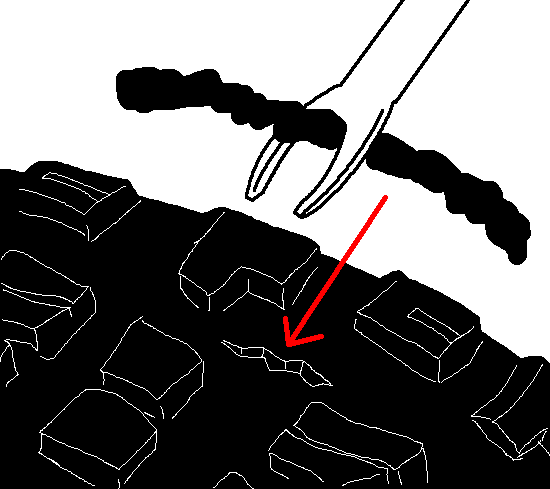
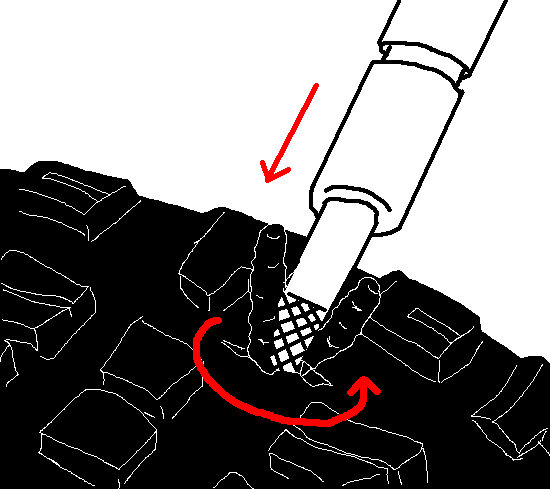
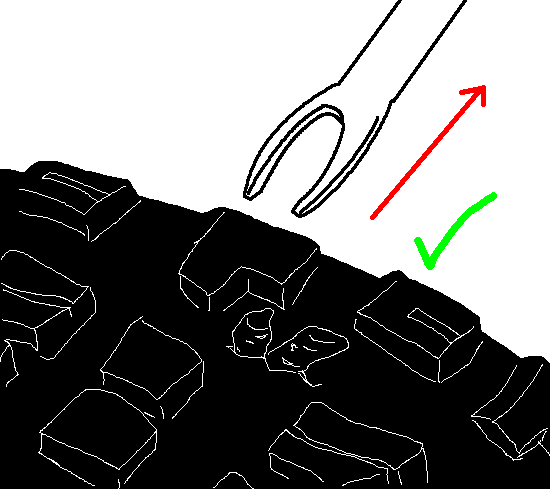
You’re done! Rotate your wheel so that the plug is at the lowest point on the wheel to allow sealant to collect on the plug, and reinflate your tire to trail pressure. Don’t forget to load the remaining tire plug strip between the plastic sheets into the fork of your Axle Plug, and press it back into your axle for safekeeping.